|
|
|
|
Community Global Villages
|
|
||||||||||||||||||||||||||||||||||
|
|
|
||||||||||||||||||||||||||||||||
|
(continued) Women Overcome Typecasting
Being a woman was more than a double-edged sword that cut many different ways. Women were denied entry because news, and especially broadcasting was considered a man's profession. Yet, when barriers were broken down in other fields, women were hired or promoted as tokens. An Asian American woman was a double minority token who fulfilled two slots. Women were underestimated but they could turn that misjudgment into an advantage as they swept past men stuck in complacency or by convention. Women were denied the best assignments and most challenging opportunities because the male bosses thought attractive, feminine females were too pretty, pampered, and soft to be real journalists or TV news people. Yet those very same intangible qualities of attractiveness and charisma could become very valuable and justify elevation to on-air reporter and news anchor positions.
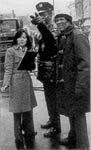
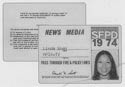
Yet even after the doors were opened in San Francisco, Los Angeles, and Honolulu (Ken Kashiwahara, reporter/anchor, 1968), it was very hard elsewhere. Joanne Lee, who blazed a trail in every market she entered (Sacramento, Chicago, Philadelphia, and Cable News Network in New York), said "California was paradise - it was much easier to be hired as a token. Chicago was really tough, a LOT of racism. They never saw an Asian face before that could do any reporting." More than once when she showed up with a news crew for an interview, a spokesperson for a corporation of the government would say to her, "Why don't you come here and sit on my lap and I'll tell you a story?"
To stay in the business for a long time, or to achieve credibility, respect, and accolades, you had to be good and show some "moxie." Joann Lee recalls that when she was hired in Philadelphia in the 1970s by the man who would eventually become the head of CBS News, Eric Ober, he later told her that the reason he hired her was obviously not for ratings, but because she was a good reporter, and he was impressed by her assertiveness which came through during lunch when she stopped in the middle of their conversation to ask the waitress to bring her a better fork. Her fork was slightly bent.
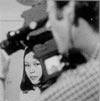
Switching from biology, Chung earned a degree in journalism from the University of Maryland in 1969. Her first job was with WTTG-TV as a copy person and secretary, waiting for an opportunity to advance to the news division. When a position opened up, Chung was denied it on the grounds that she was essential where she was. Unwilling to accept this, she found a replacement for herself and reapplied, this time getting the job. She was made an on-air reporter in 1971. Later that year Connie Chung secured a job at CBS's Washington bureau, aided in part by the Federal Communications Commission's timely mandate for stations to hire more minorities.
|
||||||||||||||||||||||||||||||||||
|
|
||||||||||||||||||||||||||||||||||