|
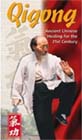
-- Qigong is pronounced "chee-gung" and literally means "energy exercise"
-- An ancient Chinese healing system similar to Tai Chi and Yoga
-- Estimated to be 5,000 years old
-- The foundation of both acupuncture and Tai Chi
-- Practiced by over 80 million people each day
-- A typical workout can last from ten minutes to one hour
-- An exercise system that combines slow movement with deep breathing
-- Qigong facilitates the movement of Qi (Chi) throughout the body to
increase vitality
-- Found to be effective in lowering high-blood pressure
-- Regular practice can minimize the effects of diabetes
-- Has shown to reduce the amount of medication necessary for treatment
-- Studies show post-operative recovery time can be dramatically shortened
-- It is a holistic way to bring the body into balance and good health
-- Qigong is very effective for most chronic conditions and painful symptoms
-- Post-Cultural Revolution Chinese government is allowing
Qigong to finally be brought out into the public awareness
-- The U.S. National Institutes of Health's Office of Alternative Medicine (OAM) in Washington, DC has funded in-depth Complementary Alternative Medicine
(CAM) research projects at 12 major universities across the U.S. including Harvard, Columbia, Stanford, Johns Hopkins, and others.
-- Thirty-four medical schools have included CAM courses in their basic curriculum.
Some of these universities have even set up departments to incorporate Qigong into their research criteria.
-- Qigong is an excellent complement to Western treatment for lowering stress and increasing the immune
system
-- Qigong is a simple, daily exercise system for maintaining good health. |